Table of Contents
Why Financial Health Matters Before a Purchase
Whether you are buying a product on a long-term service contract, placing a large order with a supplier, or buying shares in a public company, the financial condition of the seller affects what you receive. A company that struggles to pay its bills may cut support, delay deliveries, or change its product lines. A company with a stable balance sheet is generally better positioned to honor warranties and continue operating.
Financial health is not a single number. It is a picture built from several documents that describe what a company owns, what it owes, how much money it earns, and how much cash it actually generates. Reviewing those documents takes some time, but the basic process is manageable for most buyers.
The Three Core Financial Statements
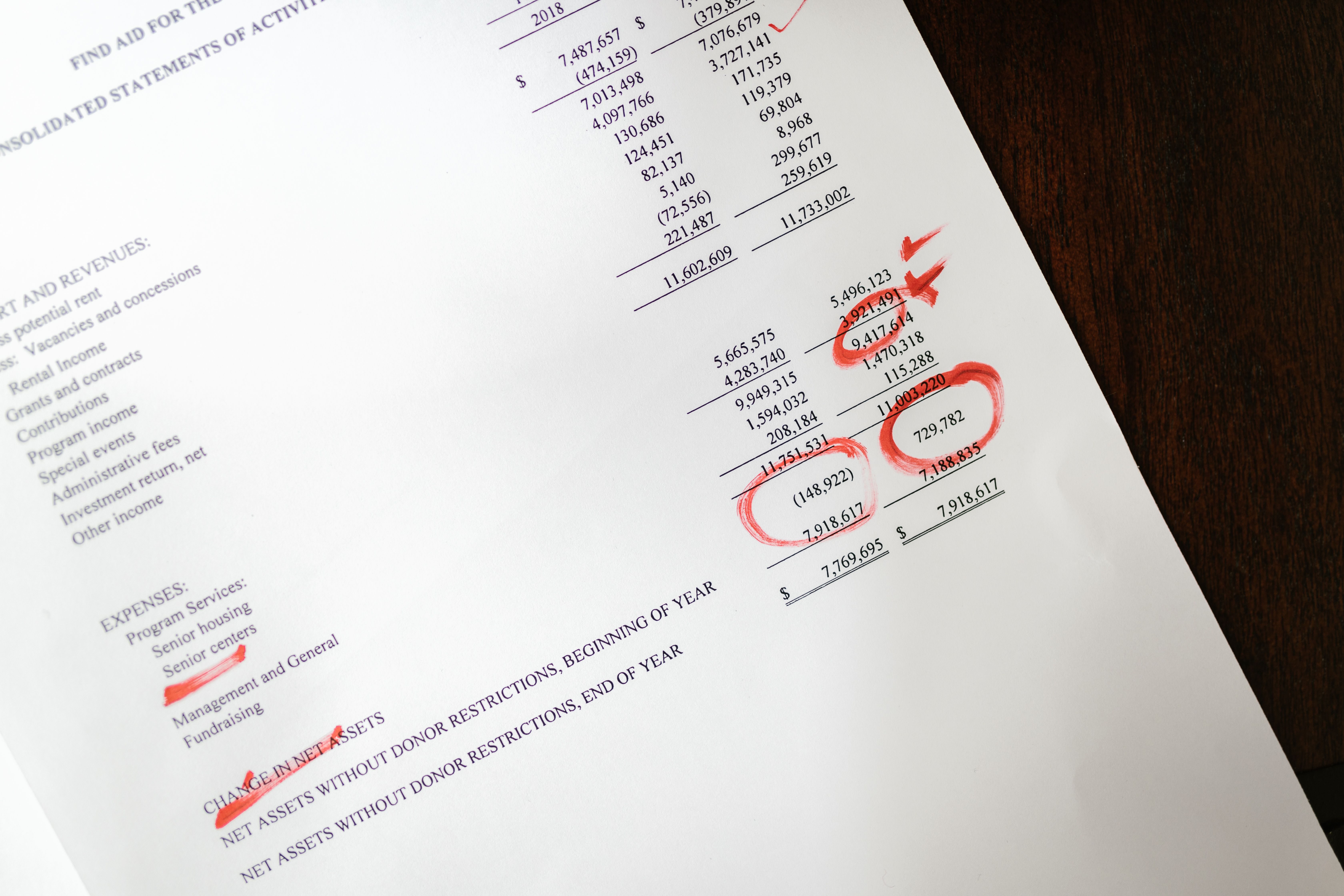
Most companies that publish financial results provide three main statements. The U.S. Securities and Exchange Commission explains these in its Beginners’ Guide to Financial Statements, which is a useful reference for anyone new to this material. The table below summarizes what each statement shows and the question it helps answer.
No single statement tells the full story. The balance sheet is a snapshot, the income statement covers a period, and the cash flow statement connects the two. Reviewing them together gives a more reliable view than relying on any one of them.
The Financial Industry Regulatory Authority (FINRA) notes that investors do not need a specialized accounting degree to read these statements. Focusing on a few clear measures is often enough to spot obvious strengths and weaknesses.
Reading Key Ratios and Trends
Ratios turn raw figures into comparisons that are easier to interpret. Common examples include the following:
- Current ratio: current assets divided by current liabilities. A value above 1 suggests short-term assets exceed short-term obligations, though acceptable levels vary by industry.
- Debt-to-equity ratio: total debt divided by shareholders’ equity. Higher values indicate more reliance on borrowed money.
- Net profit margin: net income divided by revenue. This shows how much of each sales dollar remains as profit.
- Operating margin: operating income divided by revenue. This reflects profitability before interest and taxes.

A single ratio rarely settles the question. Ratios are most informative when compared against the company’s own history and against similar companies in the same sector. Typical ranges differ widely between industries such as software, retail, and utilities, so a benchmark that suits one sector may not apply to another.
Checking Cash Flow
Profit and cash are not the same thing. A company can report earnings while still struggling to pay suppliers, because revenue may be recorded before payment arrives. For this reason, many analysts compare net income with operating cash flow over the same period.
When operating cash flow is consistently lower than reported profit, it may be worth reading the notes to the financial statements to understand why. Those notes often explain revenue recognition, payment terms, and large one-time items. Buyers who are reviewing a company before a significant purchase may also want to look at how the company funds its investment activity, since heavy borrowing to cover operating shortfalls can affect future stability.
Comparing Results Over Time
A snapshot from one quarter can be misleading. Seasonal sales, one-off charges, and timing differences can all distort a single period. Looking at three to five years of results usually gives a clearer sense of direction.

When reviewing trends, consider the following:
- Is revenue growing, flat, or declining across multiple years?
- Are profit margins expanding or narrowing?
- Has total debt risen faster than equity or cash?
- Are changes explained clearly in management’s discussion of results?
Using Public Filings and Audit Reports
Publicly traded companies in the United States file regular reports with the SEC. The annual report on Form 10-K includes audited financial statements, a discussion of risk factors, and management’s analysis of results. Quarterly reports on Form 10-Q include unaudited statements. Both can be searched for free through the SEC’s EDGAR database. The SEC’s guide to researching public companies through EDGAR walks through the search process step by step.
The auditor’s report deserves attention. An unqualified opinion generally means the auditor found the statements fairly presented in line with accepted accounting standards. Other types of opinions, or disclosed material weaknesses in internal controls, can signal issues that deserve a closer look. Reporting practices also differ by sector and jurisdiction. Guidance on financial reporting in professional services is one example of how industry-specific rules can shape the figures a reader sees, so it helps to understand the framework behind any set of accounts.

Private companies do not file with the SEC in the same way, so buyers may need to request statements directly. In that case, asking for audited statements, and for a written explanation of any qualified audit opinion, is a reasonable step.
Warning Signs to Watch For
Some patterns are worth investigating further before committing to a purchase:
- Recurring losses with no clear plan to return to profitability
- Cash flow that is persistently negative while reported profits remain positive
- Rising short-term debt or repeated extensions of payment deadlines
- Frequent changes in auditors or delayed filings
- Large one-time gains that account for most of a period’s profit
- Unexplained changes in accounting methods
A warning sign is not proof of a problem. It is a prompt to ask questions, read the relevant notes, or seek independent advice.
Putting the Checks Together
A practical review can follow a simple order. Start with the company’s business description and recent results, then review the balance sheet for liquidity and leverage, confirm the income statement and cash flow tell a consistent story, and finish by reading the auditor’s opinion and the notes. Write down the questions that remain unanswered, since they often point to the most useful follow-up.
Financial health checks cannot predict the future, but they can help a buyer decide whether the seller’s finances are strong enough to support the relationship being considered. Used together with price, product quality, and reputation, a clear view of the numbers supports a more informed decision.